Silk, shadow, and October skin
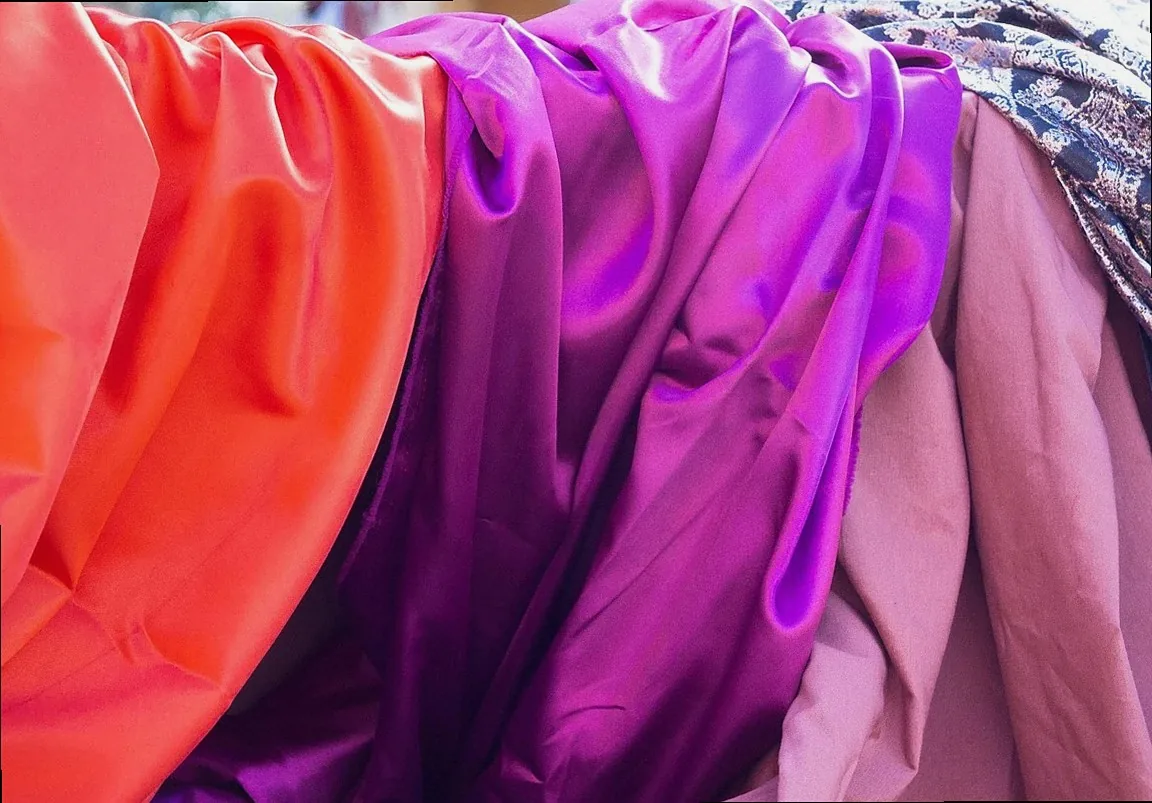
Husk Lab Zone was founded in Tokyo in 2014 by Céleste Mori, a textile buyer who had spent the previous decade sourcing silk and lace for a Parisian ready-to-wear house. She had grown tired of watching the finest fabrics in the world go into garments that were worn once and forgotten. The idea behind Husk Lab Zone was simpler: take the same materials used in haute couture and compose them into intimate apparel that a woman would keep for years. The first collection, twelve pieces in three colourways, was shown in a rented room in Daikanyama in November 2014. It sold out in a weekend.
The turning point came in the winter of 2016, when Céleste was introduced to a Nishijin weaving workshop through a contact at a Kyoto kimono house. The workshop had been producing 19-momme silk charmeuse for a single kimono maker for three generations. They agreed to supply Husk Lab Zone with a small allocation each season, on the condition that the fabric would not be used in fast-fashion production. That agreement is still in place. The Nishijin silk is now the foundation of the Soie Nue line and the lining of every Eaux de Nuit set. It changed the hand of the collection entirely.
Today, Husk Lab Zone operates from a quiet studio in Nakameguro, Tokyo, with a small showroom open by appointment. The collection is composed twice a year, in spring and autumn, and is available through this site and through a handful of carefully chosen stockists in Paris and London. Céleste still selects every lace run in Calais personally, usually in April, and the Meguro atelier still finishes every seam by hand. The house has grown slowly and deliberately, and that is how it will stay.
The Collection
Eaux de Nuit Set. Encre
Eaux de Nuit Set. Cendre
Ombres Bodysuit. Open Back
Velours Set. Nuit de Velours
Soie Nue Midi Slip
Soie Nue Full-Length Slip
A bit more
Today, Husk Lab Zone operates from a quiet studio in Nakameguro, Tokyo, with a small showroom open by appointment. The collection is composed twice a year, in spring and autumn, and is available through this site and through a handful of carefully chosen stockists in Paris and London. Céleste still selects every lace run in Calais personally, usually in April, and the Meguro atelier still finishes every seam by hand. The house has grown slowly and deliberately, and that is how it will stay.
The finest fabrics deserve to be worn, not stored.News & Announcements
Velvet in Intimate Apparel: Why It Works in Autumn
Velvet has been used in intimate apparel since at least the nineteenth century, when it appeared as trim on corsets and dressing gowns. Its use in contemporary lingerie is less common, partly because it is difficult to work with and partly because it is associated with a specific aesthetic that not every maker wants to commit to. The Velours line uses velvet trim deliberately, for specific reasons.
Read more →Why a Room Candle Belongs in a Lingerie Collection
The Bougies de Chambre line was not an obvious addition to a lingerie collection. Candles are a crowded…
What Makes Calais Leavers Lace Different
Most lace sold in lingerie today is produced on Raschel machines, which work quickly and produce a uniform…