Nishijin Silk: The Kyoto Weaving District and Its Fabrics
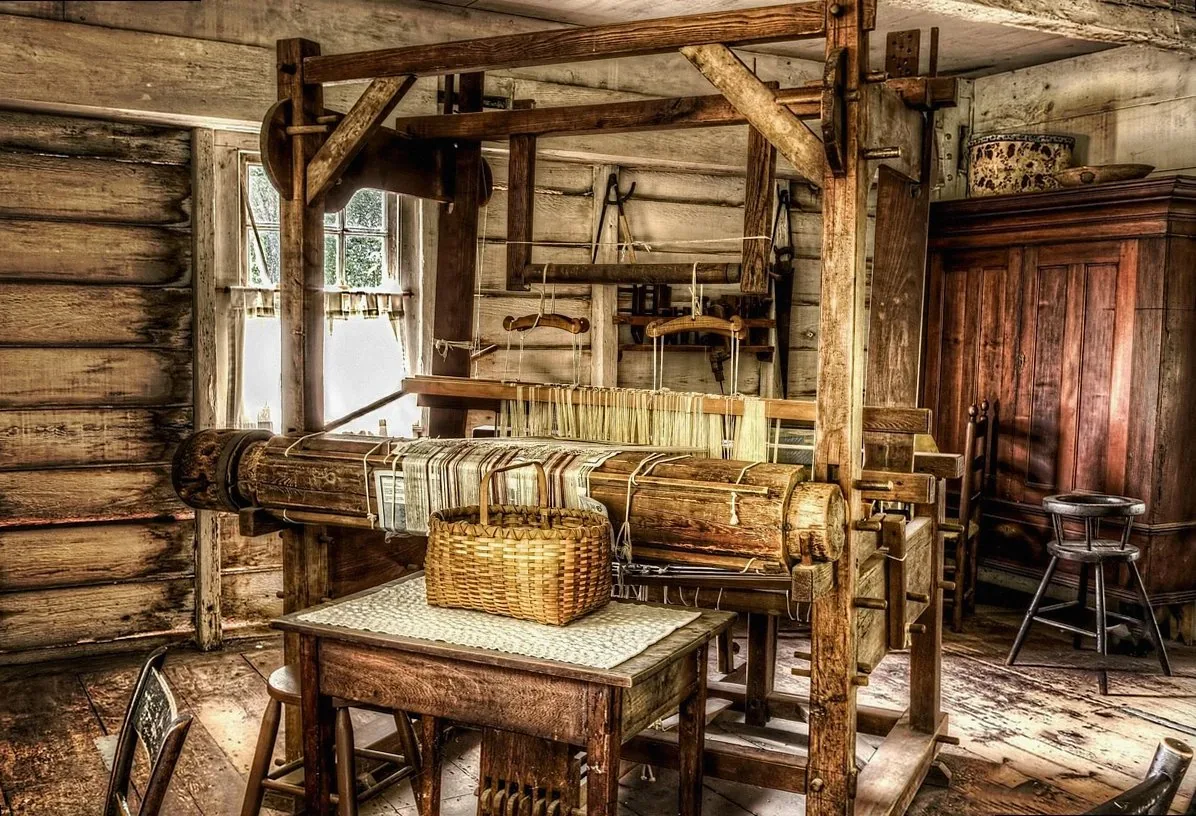
Nishijin is a district in the northwest of Kyoto that has been associated with silk weaving for several centuries. The workshops there have historically supplied fabric to kimono makers, and the techniques developed for kimono silk, particularly the attention to weight, drape, and surface finish, carry over into the charmeuse produced there today.
A District Built Around Silk
The Nishijin district developed as a weaving centre during the Heian period and grew significantly during the Edo period, when demand for kimono fabric was at its height. The workshops are small by industrial standards, often family-run, and the techniques are passed between generations rather than documented in manuals.
The district today is smaller than it was at its peak. Many workshops have closed over the past several decades as demand for kimono fabric has declined. Those that remain tend to supply a small number of specialist clients, including kimono makers, textile collectors, and a handful of fashion houses.
19-Momme Charmeuse: What the Weight Means
Momme is the unit used to measure the weight of silk fabric. A higher momme weight means more silk per square metre, which generally means a heavier, more durable fabric with a richer drape. 19-momme is considered a mid-to-heavy weight for charmeuse, heavier than the 12-16 momme commonly used in mass-market silk garments.
At 19 momme, the charmeuse has enough body to hold a bias cut without collapsing, but enough fluidity to move with the body. It is also more durable than lighter weights, which tend to snag and thin more quickly with wear and washing.
The allocation from the Kyoto workshop is agreed each season and is not guaranteed to increase. The quantity available to Husk Lab Zone is small, which is one reason the Soie Nue line is produced in limited runs.